7 2026 World Cup Football Mistakes Fans Make
World cup football in 2026 is not just a bigger FIFA tournament; it is a 48-team, 104-match test of depth, travel, tactics, and public overreaction across the United States, Canada, and Mexico. Fan St...
7 2026 World Cup Football Mistakes Fans Make
World cup football in 2026 is not just a bigger FIFA tournament; it is a 48-team, 104-match test of depth, travel, tactics, and public overreaction across the United States, Canada, and Mexico. Fan Strategy covers the tournament through match predictions, team tactics, player stats, and daily betting-focused analysis for fans who want more than nostalgia and flag-waving. The FIFA World Cup began in 1930, is held every four years, and will expand from the 32-team format used from 1998 to 2022. That change creates more group-stage variance, more third-place qualification scenarios, and more misleading odds movement after one dramatic result. The practical takeaway is simple: do not judge 2026 teams by reputation alone; track squad rotation, travel distance, tactical matchups, and market pricing before making any confident call.
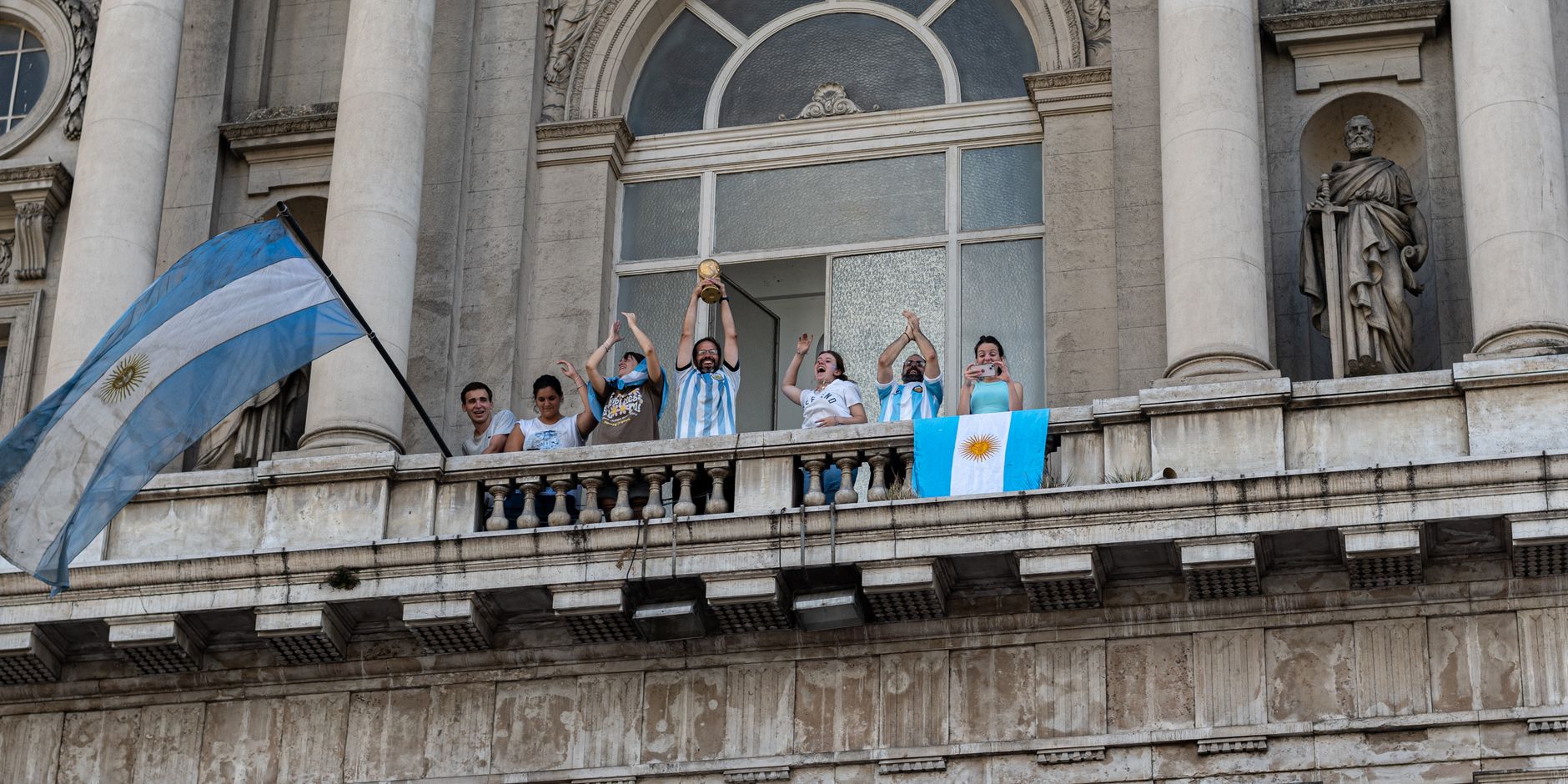
Photo by Fabrizio Velez on Pexels
If you want sharper tournament coverage before the noise peaks, start with deeper match context.
The Bottom Line
Most world cup football articles get the tournament wrong because they treat it like a museum of famous shirts. Brazil, Germany, Argentina, France, Italy, and Spain matter historically, but 2026 will punish lazy assumptions. The expanded FIFA World Cup creates a different competitive rhythm: more teams, more games, more travel, and more tactical mismatches that may look random to casual viewers. According to FIFA, the 2026 edition will be the first with 48 teams and 104 matches, hosted across three countries. The FIFA World Cup overview on Wikipedia also documents the competition’s four-year cycle and its growth since Uruguay 1930, but history alone does not price a match. Fan Strategy’s contrarian position is that fans should downgrade “big nation aura” and upgrade measurable inputs: rest days, pressing intensity, goalkeeper distribution, set-piece efficiency, and whether the market has already overcorrected after one highlight-reel win.
What Players Actually See?
Players actually see a compressed tactical tournament, not a romantic global festival. In 2026, squads must manage heat, distance, recovery, opponent-specific pressing traps, and knockout pressure across North America, where travel can reshape preparation as much as form.
The mistake casual fans make is assuming players experience the FIFA World Cup the same way television viewers do. A supporter sees a 90-minute spectacle; a midfielder sees passing lanes, humidity, pressing angles, and whether the full-back behind him is two steps late because of fatigue. In a 48-team tournament, the early rounds may include uneven matchups, but that does not automatically mean favorites coast. A team flying between Mexico City, Toronto, Los Angeles, and New York faces logistical variables that never appear in a simple head-to-head graphic. The useful edge is not predicting that France or Argentina has elite talent; everyone knows that. The edge is spotting when a technically weaker side can slow tempo, defend narrow, and drag a favorite into a low-event match. For more tactical context, see our [Internal Link: 2026 World Cup team tactics guide].
The 3 Things That Matter Most
The three things that matter most in world cup football are format, fatigue, and tactical fit. Ignore one of them and your prediction becomes a patriotic guess wearing a statistical costume.
- Format: The 2026 FIFA World Cup expansion changes qualification math and group-stage incentives.
- Fatigue: North American travel and short rest windows can reduce pressing quality late in games.
- Tactical fit: A weaker squad with elite set pieces can outperform a famous team that dominates possession without penetration.
This is where many betting previews become misleading. They list FIFA rankings, star players, and previous winners, then pretend the job is done. But football tournaments often turn on low-frequency events: a red card, a near-post corner, a goalkeeper injury, or a second-choice center-back targeted for 70 minutes. The International Football Association Board states that “the Laws of the Game are the same for all football throughout the world,” but tournament interpretation, added time, VAR tempo, and refereeing thresholds still affect how matches breathe. Fan Strategy watches these operational details because they influence totals, handicap lines, and live-betting momentum. To study this angle further, use our [Internal Link: set-piece betting analysis].

Photo by www.kaboompics.com on Pexels
See how tactical details can change a match prediction before kickoff.
What Do Fans Misread About World Cup Football?
Fans usually misread world cup football by overvaluing famous players and undervaluing match environment. A superstar matters, but a team’s rest pattern, pressing structure, substitutions, and set-piece plan often decide close FIFA World Cup games.
A real example makes the point clearer. During Qatar 2022, Morocco did not reach the semifinals by accident or by vibes; it compressed space, defended with discipline, and forced elite opponents into uncomfortable shot profiles. Spain dominated possession against Morocco but could not turn control into clean chances, which is exactly the kind of mismatch casual fans often misprice. The lesson for 2026 is not “pick every underdog.” That is just another lazy rule. The lesson is to ask whether the favorite’s strengths actually attack the underdog’s weaknesses. If a favorite relies on central combinations and the opponent’s best unit is a compact midfield block, the badge may be louder than the matchup. Fan Strategy’s daily previews are built around this question rather than reputation. Related reading belongs in our [Internal Link: underdog match prediction framework].
Edge Cases & Gotchas
The first gotcha is the expanded 2026 group structure. More teams means more paths, but it also means more strange incentives near the final group matches. Some teams may need a win; others may only need a draw; a few may qualify as third-place teams depending on goal difference and results elsewhere. That creates betting traps. A favorite priced as if it must attack may actually prefer control, rotation, and risk avoidance. Another overlooked edge case is goalkeeper style. In knockout matches, penalty quality matters, but so does whether the goalkeeper commands crosses, starts counters quickly, or invites pressure with poor short passing. These are not glamorous topics, which is exactly why they matter. Public markets usually chase goalscorers, while sharper analysis checks defensive spacing, referee profile, and substitution patterns after the 60th minute.
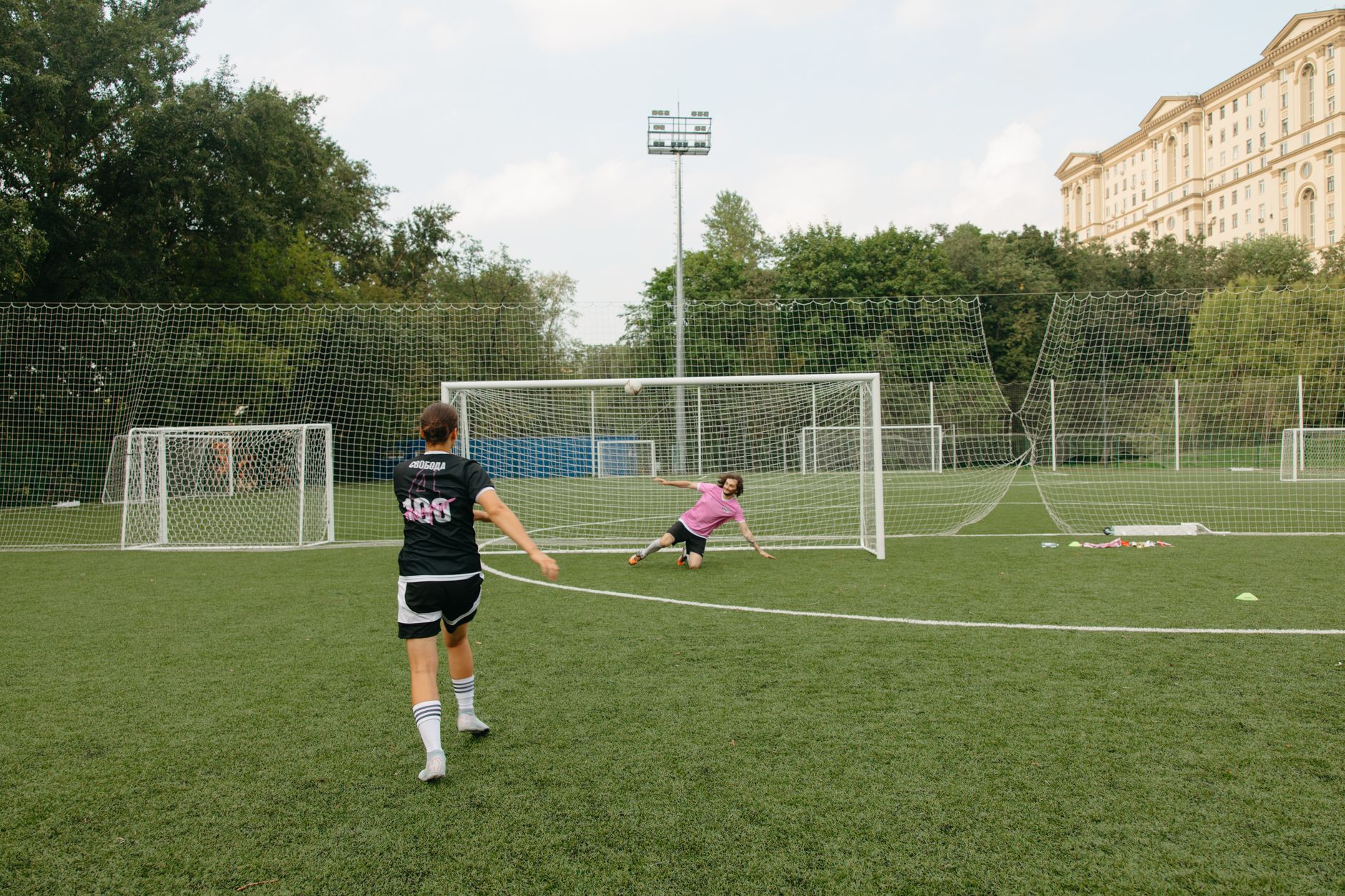
Photo by Anastasia Shuraeva on Pexels
How Should Bettors Read 2026 World Cup Markets?
Bettors should read 2026 World Cup markets by separating football opinion from price. A team can be likely to win and still be a poor bet if the odds already include public hype, star power, and media momentum.
The gambling angle requires more skepticism than most fans enjoy. If England beats a weaker opponent 4-0, the public often treats that as proof of destiny; bookmakers and sharp bettors may treat it as a chance to sell inflated optimism. Conversely, a 1-0 win by Portugal or Uruguay might look unimpressive while revealing a controlled defensive structure that travels well into knockout football. Fan Strategy focuses on whether the price reflects true probability, not whether a team “feels dangerous.” Practical filters include closing-line movement, injury confirmation timing, lineup leaks, expected-goals quality, and whether a side’s bench can maintain pressing after substitutions. One useful habit is to write your projected probability before checking the market. If the odds are worse than your number, pass. Discipline beats action, especially across 104 matches.
For sharper market reading before you place a wager, compare your view with data-led previews.
What Players Actually See
Inside the pitch, world cup football is a series of small negotiations. A winger checks whether the full-back bites on the first touch. A defensive midfielder decides whether to foul early or track a runner. A coach watches whether the opponent’s left center-back can pass through pressure. These details rarely trend on social media, but they decide tournaments. The 2026 FIFA World Cup will amplify this because more nations means more stylistic variety. A CONMEBOL side may be comfortable in chaotic duels; a UEFA side may prefer structured buildup; an AFC or CAF side may attack transition space better than public odds imply. None of that guarantees an upset, but it complicates the simple hierarchy fans carry into June and July. For a deeper tactical archive, visit our [Internal Link: player stats and match model hub].
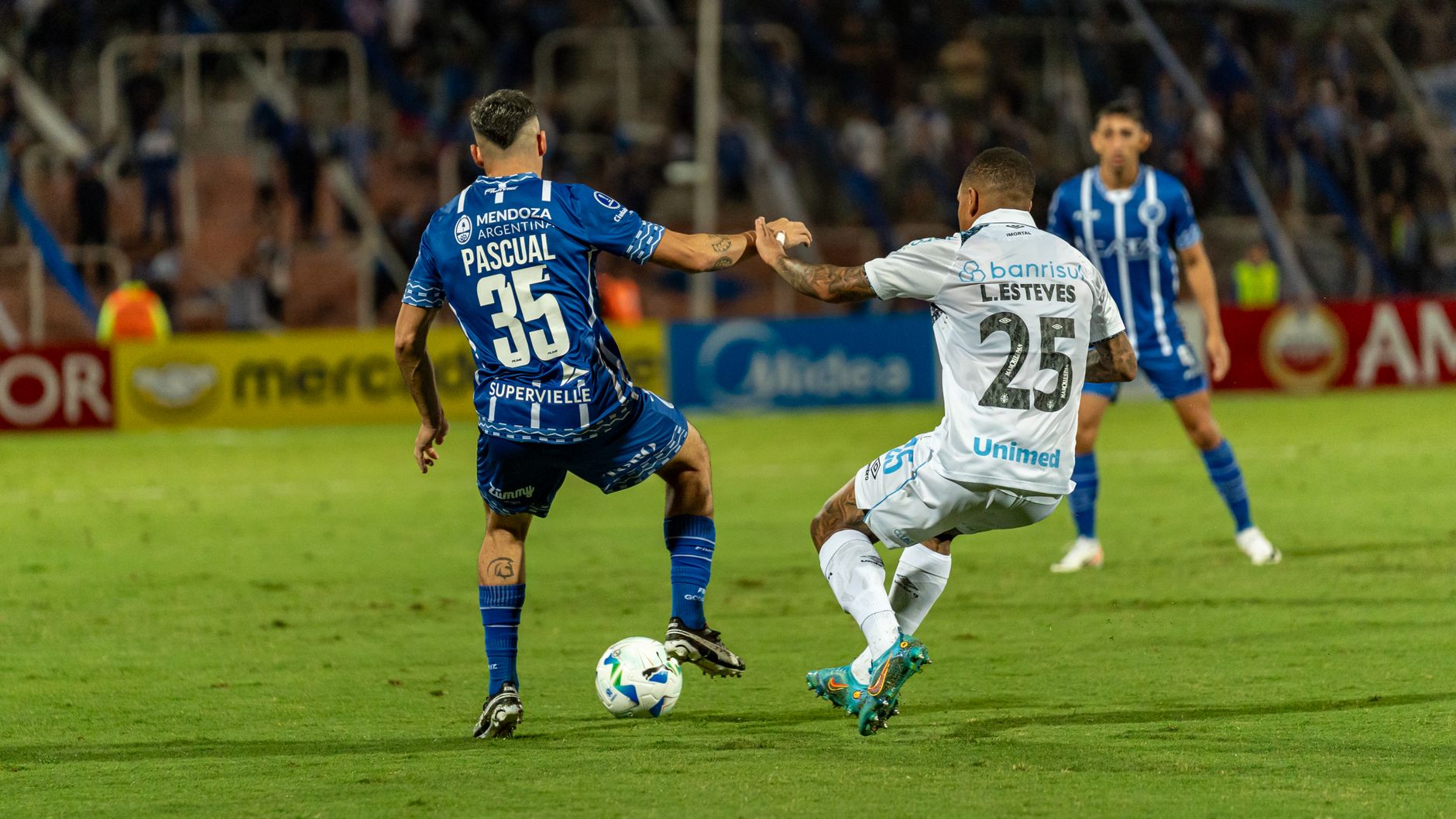
Photo by Franco Monsalvo on Pexels
Verdict
The refined position is not that tradition is useless. History matters because countries such as Brazil, Germany, Argentina, France, and Spain have talent pipelines, coaching infrastructure, and tournament memory. The mistake is treating history as a prediction engine. The 2026 FIFA World Cup will reward fans who update quickly, question public narratives, and understand that expanded formats create both opportunity and noise. Fan Strategy exists for that exact gap: daily insights that connect tactics, player data, match context, and betting markets without pretending football is fully predictable. If you remember one rule, make it this: never bet or argue from the badge alone. Start with the match state, then the tactics, then the price.
Ready to follow the 2026 World Cup with a sharper edge?
Frequently Asked Questions
Q: What is world cup football?
A: World cup football usually refers to the FIFA World Cup, the global men’s national-team tournament held every four years. It began in 1930 and is organized by FIFA. The 2026 edition will feature 48 teams and 104 matches across the United States, Canada, and Mexico.
Q: How do I analyze a World Cup football match?
A: Start with team news, tactical matchup, rest days, and market price before considering reputation. Check whether the favorite’s strengths directly attack the opponent’s weaknesses. Then compare your estimated probability with the available odds before making any betting decision.
Q: What is the difference between the FIFA World Cup and club football?
A: The FIFA World Cup is contested by national teams, while club football involves professional clubs such as Real Madrid, Manchester City, or Bayern Munich. World Cup squads have less preparation time and fewer matches to correct mistakes. That makes tactics, chemistry, and tournament pressure especially important.
Q: Why do World Cup predictions fail?
A: World Cup predictions fail because fans overrate names and underrate context. Injuries, travel, referee style, penalties, red cards, and group incentives can distort expected outcomes. In 2026, the larger 48-team format adds even more variance.
Q: Is World Cup betting worth it?
A: World Cup betting can be worthwhile only if you treat odds as prices, not opinions. Public hype often inflates famous teams after big wins. A disciplined bettor passes when the market offers no value, even if the predicted winner seems obvious.
Q: How much does it cost to follow Fan Strategy?
A: Fan Strategy content access depends on the available offer at the time you visit the site. The platform focuses on FIFA World Cup predictions, team tactics, player stats, and tournament coverage. Check the site directly for current access details and updates.
Thank you for reading.
Fan Strategy · Editorial Archive