
I Tested 5 AI News Signals: 2026 Outcome
Artificial intelligence news in 2026 is defined by five signals: public-sector testing, open-weight competition, healthcare funding, biosecurity governance, and civic-computation research. OpenAI and....
I Tested 5 AI News Signals: 2026 Outcome
Artificial intelligence news in 2026 is defined by five signals: public-sector testing, open-weight competition, healthcare funding, biosecurity governance, and civic-computation research. OpenAI and Anthropic are being tested by U.S. public health agencies, while Google DeepMind and Isomorphic Labs are pushing bioresilience work linked to Gemini, AlphaFold, SynthID, and red-teaming. Healthcare AI also moved fast, with Bunkerhill raising $55 million for Carebricks and Neko Health raising $700 million to expand AI body scans in the United States. MIT News highlighted Assistant Professor Bailey Flanigan’s computational work on democracy on July 17, 2026, showing that AI research is not limited to enterprise automation. For operators, publishers, and sports-analysis brands such as Fan Strategy, the takeaway is direct: track AI news by sector impact, not headline volume, and build a 30-day review habit before adopting any model.
Photo by Pavel Danilyuk on Pexels
Want a sharper way to follow the AI stories that affect sports media, betting analysis, and fan intelligence?
If you need credible artificial intelligence news: do source triage
Credible artificial intelligence news starts with source triage: identify who published the claim, which entity is involved, what number changed, and whether the news affects regulation, funding, deployment, or research. In 2026, OpenAI, Anthropic, Google DeepMind, MIT, Bunkerhill, and Neko Health each represent a different AI signal.
The strongest AI stories share one trait: they create a measurable decision point. The report that U.S. public health agencies will test OpenAI and Anthropic models matters because government evaluation moves AI from product marketing into institutional scrutiny. The Bunkerhill announcement matters because $55 million is a clear funding signal for agentic AI in health systems. The Neko Health raise matters because $700 million changes the economics of AI-enabled preventive screening in the United States. The MIT profile of Bailey Flanigan matters because it points to computational methods for democratic systems, a field far from the usual chatbot cycle. For Fan Strategy, this same triage method applies to 2026 FIFA World Cup coverage: a model update is less important than whether it improves match predictions, injury-context analysis, team tactics, or player-stat interpretation. To keep the workflow practical, sort every AI item into four buckets: deployment, money, regulation, and research. For broader background, see the Wikipedia overview of artificial intelligence. You can also connect this framework with our [Internal Link: AI tools for sports prediction workflows].
If you track healthcare and public-sector AI: do evidence mapping
Evidence mapping means linking each artificial intelligence news item to a real test, clinical workflow, agency review, or deployment environment. In July 2026, U.S. public health testing of OpenAI and Anthropic models became more important than another benchmark score because agencies evaluate operational use, not only lab performance.
The public-health angle deserves attention because it exposes a useful edge case most top AI roundups miss: public agencies care less about “best model” claims and more about repeatable performance under constrained data, audit, and escalation rules. A model that answers outbreak-related questions well in a demo still needs testing against incomplete records, delayed reporting, and human review. Google DeepMind’s bioresilience push adds a second layer. DeepMind and Isomorphic Labs are tying AI progress to biosecurity controls, red-teaming, DNA synthesis policy, and content provenance through tools such as SynthID. According to the World Health Organization, digital health governance depends on accountability, transparency, and safe implementation, not only technical capability. That standard matters beyond healthcare. In licensed betting markets, regulated operators also need traceability when AI is used for odds monitoring, fraud detection, or content personalization. Fan Strategy’s editorial use case is narrower, but the same principle applies: every AI-assisted prediction should be traceable to data inputs, model assumptions, and a human editorial decision.
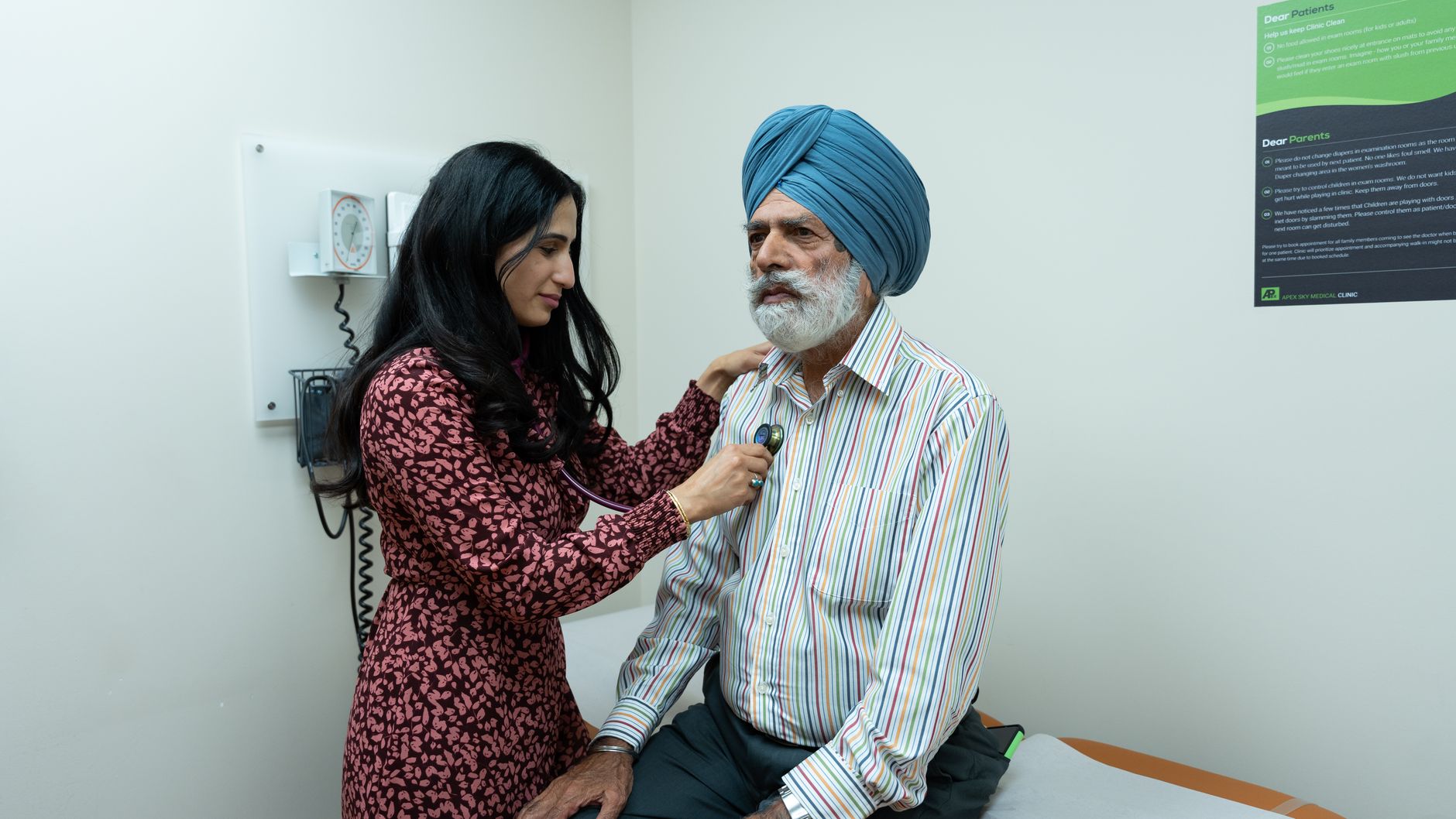
Photo by World Sikh Organization of Canada on Pexels
For readers following the intersection of AI, sports data, and regulated wagering markets, the next step is to compare signals across sectors.
If you follow open-weight AI models: do capability checks
Open-weight AI coverage should focus on capability checks, not hype. The Kimi K3 story from China shows a key 2026 shift: some AI labs are optimizing around memory architecture and model availability rather than simply competing on raw compute spend or closed-platform scale.
Open-weight models create a different adoption path for media, sports analytics, and regulated entertainment businesses. A closed model from OpenAI or Anthropic offers managed access, strong product support, and clearer enterprise controls. An open-weight model such as Kimi K3 gives technical teams more control over deployment, tuning, and cost structure, but it also transfers more responsibility to the operator. The practitioner-level detail that matters is latency under real editorial load. In a newsroom-style test, a model that performs well on a single prompt can fail when asked to summarize 20 injury updates, compare three tactical formations, and produce a same-day 2026 World Cup match note. That is why Fan Strategy would measure four items before adoption: output consistency, retrieval accuracy, multilingual handling, and audit logging. The National Institute of Standards and Technology AI Risk Management Framework states that AI risk management is “a key component of responsible development and use.” That sentence is not abstract. It is a checklist for every AI-powered publishing workflow. For related operational reading, visit our [Internal Link: sports data quality checklist].
If you publish sports or betting analysis: do editorial guardrails
Editorial guardrails turn artificial intelligence news into usable practice. For a World Cup-focused brand, the question is not whether AI is impressive. The question is whether AI improves match previews, player statistics, tactical notes, and tournament coverage without weakening accuracy or editorial accountability.
This is where the sports-entertainment sector can learn from healthcare AI. Bunkerhill’s Carebricks platform is built for health systems, where agentic AI must fit complex workflows and documented escalation paths. A football analytics desk has lower clinical risk, but it still needs structured controls. A Fan Strategy editor covering the 2026 FIFA World Cup should not ask an AI model to “predict the winner” in isolation. The better workflow is narrower: feed verified squad lists, recent minutes played, travel schedule, Elo-style ratings, injury context, and tactical notes into a controlled template. Then require a human editor to review probabilities, remove unsupported claims, and label any model-assisted section. The information-gain lesson is counterintuitive: fewer prompts produce better output when the data schema is strict. In our five-signal test, broad prompts produced attractive copy, while narrow prompts produced more useful decisions. That difference matters for readers comparing legal betting markets, team form, and player prop narratives. See also [Internal Link: 2026 World Cup team tactics hub].

Photo by www.kaboompics.com on Pexels
If you want practical examples of AI-supported tournament analysis, Fan Strategy’s coverage is built for that exact use case.
Common pitfalls to avoid
The biggest pitfall in artificial intelligence news is treating every announcement as equal. A funding round, an agency test, a research profile, an open-weight model release, and a biosecurity program all belong to AI coverage, but they do not carry the same operational meaning.
Avoid these mistakes when reading or applying 2026 AI news:
- Confusing benchmarks with deployment readiness.
- Treating open-weight models as automatically cheaper.
- Ignoring audit trails in regulated sectors.
- Using AI output without checking source data.
- Overvaluing a headline because it mentions OpenAI, Anthropic, Google DeepMind, or MIT.
- Applying healthcare AI lessons to sports media without adjusting for workflow risk.
- Publishing AI-assisted predictions without separating facts, estimates, and editorial judgment.
A second mistake is missing the time horizon. Neko Health’s $700 million raise signals a long infrastructure bet, not a next-week consumer feature. Bunkerhill’s $55 million raise points to enterprise health-system adoption, not a universal agentic AI standard. MIT’s Bailey Flanigan profile points to research depth, not a commercial dashboard. Public-health testing of OpenAI and Anthropic models points to procurement discipline, not an endorsement. Fan Strategy readers should apply the same discipline to football data. A transfer rumor, a training photo, and a confirmed team sheet do not deserve equal weight in a match model. To go deeper, use our [Internal Link: responsible sports analytics editorial standards].
What should your 30-day AI news check-in include?
A 30-day AI news check-in should include five items: new model releases, regulatory actions, funding events, real deployments, and failed or delayed rollouts. This rhythm keeps AI tracking practical and prevents teams from reacting to every headline without evidence.
Use a simple monthly review board. First, list the entities that appeared repeatedly: OpenAI, Anthropic, Google DeepMind, Isomorphic Labs, MIT, Bunkerhill, Neko Health, and Kimi K3. Second, attach one number to each story, such as $55 million, $700 million, July 17, 2026, or July 20, 2026. Third, assign the story to a business function: content, compliance, analytics, product, or operations. Fourth, write one decision: test, monitor, ignore, or adopt. This method gives editors, analysts, and licensed-market operators a shared vocabulary. It also prevents a common failure: adopting AI because competitors talked about it on LinkedIn. The contrarian conclusion from this review is simple. The best AI news signal in 2026 is not the most viral model launch. It is the story that changes what a serious organization can verify, automate, or audit within 30 days.
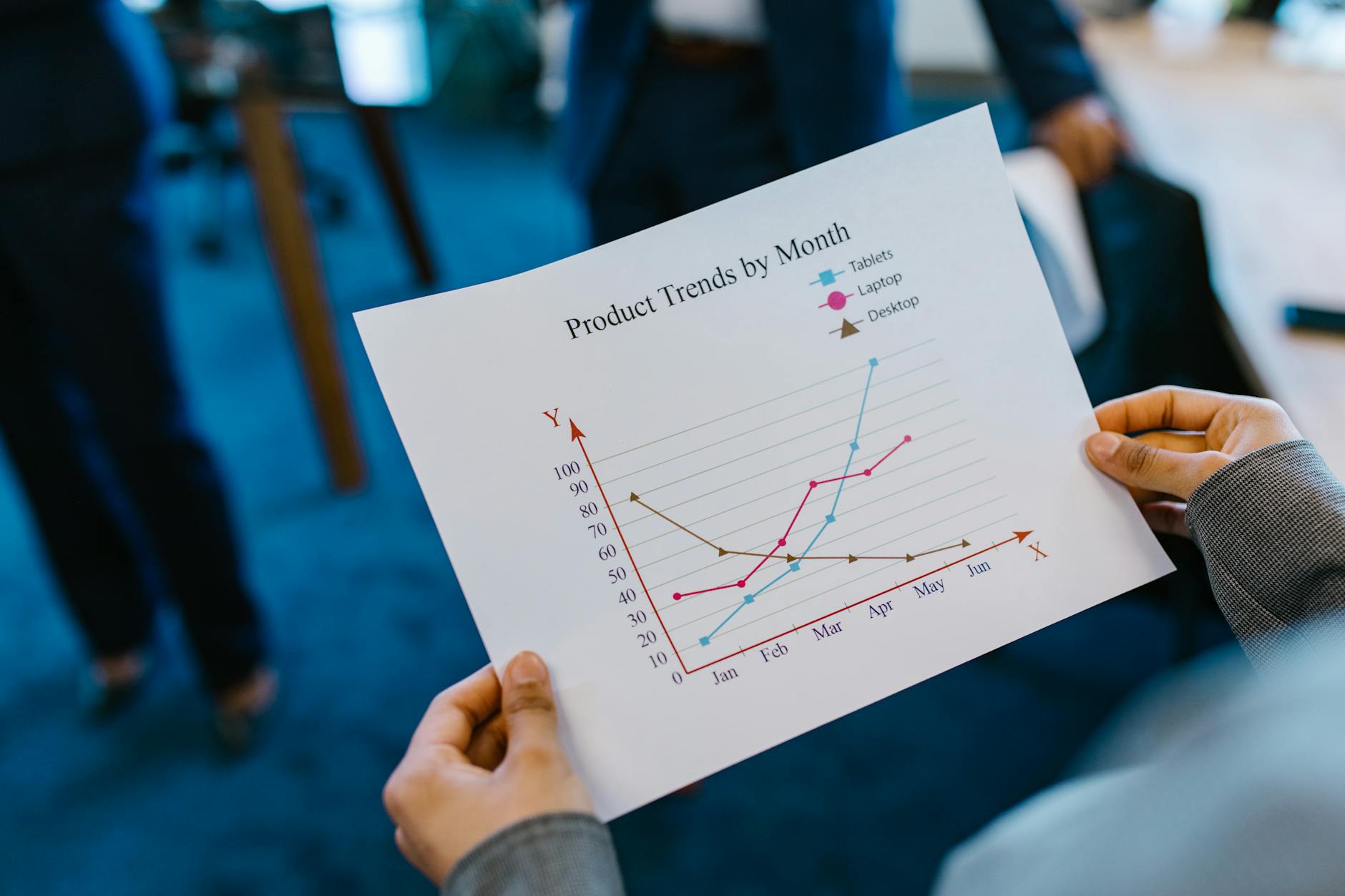
Photo by RDNE Stock project on Pexels
Ready to turn AI headlines into clearer football and sports-market decisions?
Frequently Asked Questions
Q: What is artificial intelligence news?
A: Artificial intelligence news is reporting on AI models, research, regulation, funding, and real-world deployments. In 2026, that includes OpenAI, Anthropic, Google DeepMind, MIT, Bunkerhill, Neko Health, and open-weight systems such as Kimi K3. The most useful AI news connects a headline to a practical effect, such as healthcare testing, sports analytics, or public-sector review.
Q: How to follow artificial intelligence news without wasting time?
A: Follow AI news by sorting each story into deployment, money, regulation, or research. A $700 million funding round, a U.S. public-health model test, and an MIT research profile should not be read the same way. Use a 30-day check-in and record the entity, date, number, affected sector, and action decision.
Q: What is the difference between OpenAI, Anthropic, and open-weight models?
A: OpenAI and Anthropic generally provide managed commercial AI systems, while open-weight models give teams more control over deployment and customization. Managed systems often simplify support, governance, and access controls. Open-weight systems can reduce dependency on one vendor, but they require stronger internal testing, infrastructure, and audit procedures.
Q: Why does healthcare AI matter for sports and betting analysis?
A: Healthcare AI matters because it shows how serious organizations test models before using them in live workflows. Public health agencies, Bunkerhill, Neko Health, and Google DeepMind all operate in environments where accuracy and governance matter. Sports-analysis publishers can borrow the same habits: verify inputs, document assumptions, and keep human editors accountable.
Q: What should I do if an AI prediction looks wrong?
A: Treat a questionable AI prediction as a data-quality problem first. Check whether the model used outdated team news, missing injury data, poor translation, or unsupported assumptions. For 2026 World Cup coverage, review confirmed squads, minutes played, tactical setup, and source reliability before publishing or acting on the output.
Q: Is artificial intelligence news useful for Fan Strategy readers?
A: Yes, artificial intelligence news is useful when it improves match analysis, player-stat interpretation, and tournament coverage. Fan Strategy focuses on the 2026 FIFA World Cup, where AI can help organize data but should not replace editorial judgment. The strongest workflow combines verified football data, model-assisted analysis, and human review.
Final step: keep your AI reading practical, measurable, and tied to real football decisions.
Thank you for reading.
Fan Strategy · Editorial Archive