The Fan's Guide to 2026 Football World Cup
Fan Strategy covers the 2026 football world cup as the largest FIFA World Cup ever staged, with 48 teams, 104 matches, and 16 host cities across the United States, Canada, and Mexico. The tournament r...
The Fan's Guide to 2026 Football World Cup
Fan Strategy covers the 2026 football world cup as the largest FIFA World Cup ever staged, with 48 teams, 104 matches, and 16 host cities across the United States, Canada, and Mexico. The tournament runs from June 11 to July 19, 2026, with the final scheduled for MetLife Stadium in the New York New Jersey area, according to FIFA. Los Angeles will host eight matches at SoFi Stadium plus a FIFA Fan Festival at the LA Memorial Coliseum, while Atlanta will stage major matches at Mercedes-Benz Stadium. For fans, analysts, and betting-focused readers, the key change is scale: more teams, more travel, more squad rotation, and more tactical uncertainty. Track venue conditions, rest gaps, and confirmed lineups before making predictions, because 2026 rewards preparation more than reputation.
If you want daily tournament intelligence before the market moves, Fan Strategy is built for that exact purpose.
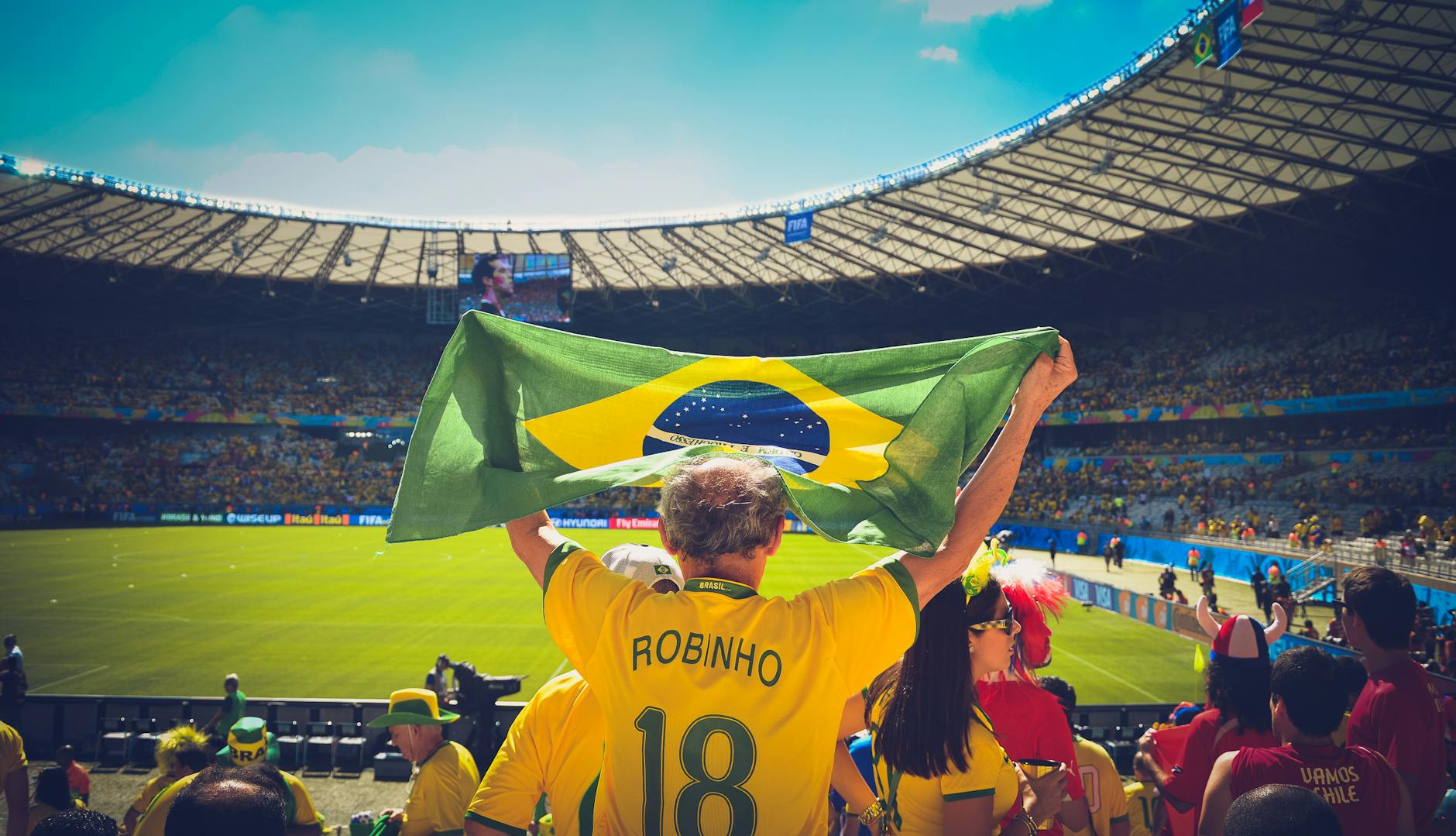
Photo by Caio on Pexels
Before 2025: how the 2026 football world cup worked
Before 2025, most fans still understood the World Cup through the 32-team model used from France 1998 through Qatar 2022. That format had eight groups, 64 matches, and a familiar rhythm: three group games, then a clean knockout bracket from the round of 16. Bettors, analysts, broadcasters, and travel planners could build habits around that structure because rest windows, qualification pressure, and tactical incentives were relatively predictable. The 2026 football world cup breaks that memory. It moves to 48 teams and 104 matches, which means deeper variance and more opportunities for underdogs to survive the first phase.
The host geography also changes the calculation. Qatar 2022 was compact; 2026 is continental. A team could play in Los Angeles, then move across time zones, while supporters might combine SoFi Stadium, Mercedes-Benz Stadium, and MetLife Stadium into one long itinerary. This matters because travel fatigue is not just a fan inconvenience; it can shape pressing intensity, substitution timing, and recovery plans. To go deeper into tactical preparation, see our [Internal Link: 2026 World Cup team tactics guide].
What is the 2026 shift?
The 2026 shift is FIFA’s move from a 32-team World Cup to a 48-team, 104-match tournament across Canada, Mexico, and the United States. It expands access, increases match volume, and creates a longer tactical and betting calendar from June 11 to July 19, 2026.
The practical difference is not only “more football.” It is a different tournament economy. More national teams means more scouting gaps, especially for casual fans who know Brazil, France, Argentina, England, and Spain but may be less familiar with emerging qualifiers from CAF, AFC, and Concacaf. The expanded format also increases the number of matches where market prices may lean too heavily on reputation. That is where Fan Strategy’s model-driven coverage becomes useful: player stats, injury timelines, and matchup context can expose value before narratives harden.
There is also a hosting story worth watching. Los Angeles is planning 39 days of fan celebrations, including Official Fan Zones and a FIFA Fan Festival at the LA Memorial Coliseum. Atlanta, branding itself as the soccer city of the South, brings Mercedes-Benz Stadium, an established Atlanta United supporter culture, and a semifinal-level stage. The official FIFA tournament page describes the event as covering “three countries, 16 cities, 48 teams,” a line that captures why 2026 feels more like a festival network than a single-city sports event.
For sharper previews, betting angles, and player-level updates, start following the tournament before the group draw narratives become mainstream.

Photo by Andre Dantas on Pexels
What changed for players?
Players face a longer, wider, and more physically uneven tournament in 2026. The biggest changes are travel distance, climate variation, squad rotation pressure, and more knockout paths created by the 48-team format. These factors can affect minutes, injuries, and tactical choices.
Think of a winger playing three group matches in different weather conditions, then entering the knockout phase with only partial recovery. In a compact tournament, the coaching staff can control routines more easily. In 2026, teams must manage flights, training bases, media obligations, and venue-specific surfaces. The 2026 FIFA World Cup final is listed for July 19, 2026, at MetLife Stadium, meaning the best teams may spend more than five weeks inside tournament pressure.
Two less-discussed edges matter for analysts. First, bench players from elite clubs may become more valuable than famous starters if match congestion forces rotation. Second, set-piece specialists could gain importance because tired teams concede more corners, free kicks, and second balls late in matches. A practical tracking list should include:
- Days of rest between fixtures
- Miles traveled between host cities
- Heat and humidity at kickoff
- Substitution patterns after minute 60
- Yellow-card risk before knockout rounds
For related squad analysis, visit our [Internal Link: World Cup player stats hub].
What does this mean now?
It means fans should stop treating the 2026 football world cup as a normal tournament with extra teams. The smarter approach is to track host-city context, expanded-format incentives, and market movement early, especially if you follow predictions, odds, or tactical analysis.
Los Angeles shows why. The city will not only stage eight matches at SoFi Stadium; it will also host public celebrations, watch parties, music events, and community fan zones across Los Angeles County. That creates emotional energy, but it also creates logistical complexity. A fan attending a match, joining a Fan Festival, and traveling across Southern California needs planning. A bettor watching the same match should ask a different question: did the team train locally, travel recently, or rotate key players because of the next fixture?
Atlanta tells a different story. Mercedes-Benz Stadium has a strong soccer identity through Atlanta United, and the city’s supporter culture could make neutral matches feel less neutral. This does not guarantee a result, but crowd atmosphere can influence tempo, referee pressure, and momentum after goals. The professional edge is to measure what others only describe. Fan Strategy will be watching lineup leaks, tactical mismatches, and performance data rather than relying only on national-team reputation.
Want the context behind each prediction instead of just a scoreline?

Photo by David McElwee on Pexels
Three predictions for next quarter
The next quarter should bring sharper attention to tickets, travel packages, early betting markets, and national-team preparation. Expect host-city content, player availability news, and tactical previews to become more valuable as fans move from curiosity to concrete planning.
First, official host-city pages such as Los Angeles World Cup 26 and Atlanta World Cup 26 will become essential planning tools. Fans will search for stadium rules, fan zones, transportation, hotels, and match-day timing. Second, betting markets will begin pricing not just team strength but tournament path difficulty. A country’s odds may shorten or drift based on group location, rest patterns, and likely knockout opponents. Third, player minutes in club football will become a leading indicator. A superstar arriving after 55 club matches may be less reliable than a rested tactical fit from a deeper squad.
Here is the mentor-style rule I would use now: do not predict the 2026 football world cup only by ranking nations. Predict it by mapping conditions. The winning edge sits where data, geography, and tactics meet. For more preparation, read our [Internal Link: World Cup betting strategy fundamentals] and [Internal Link: 2026 host city travel checklist].
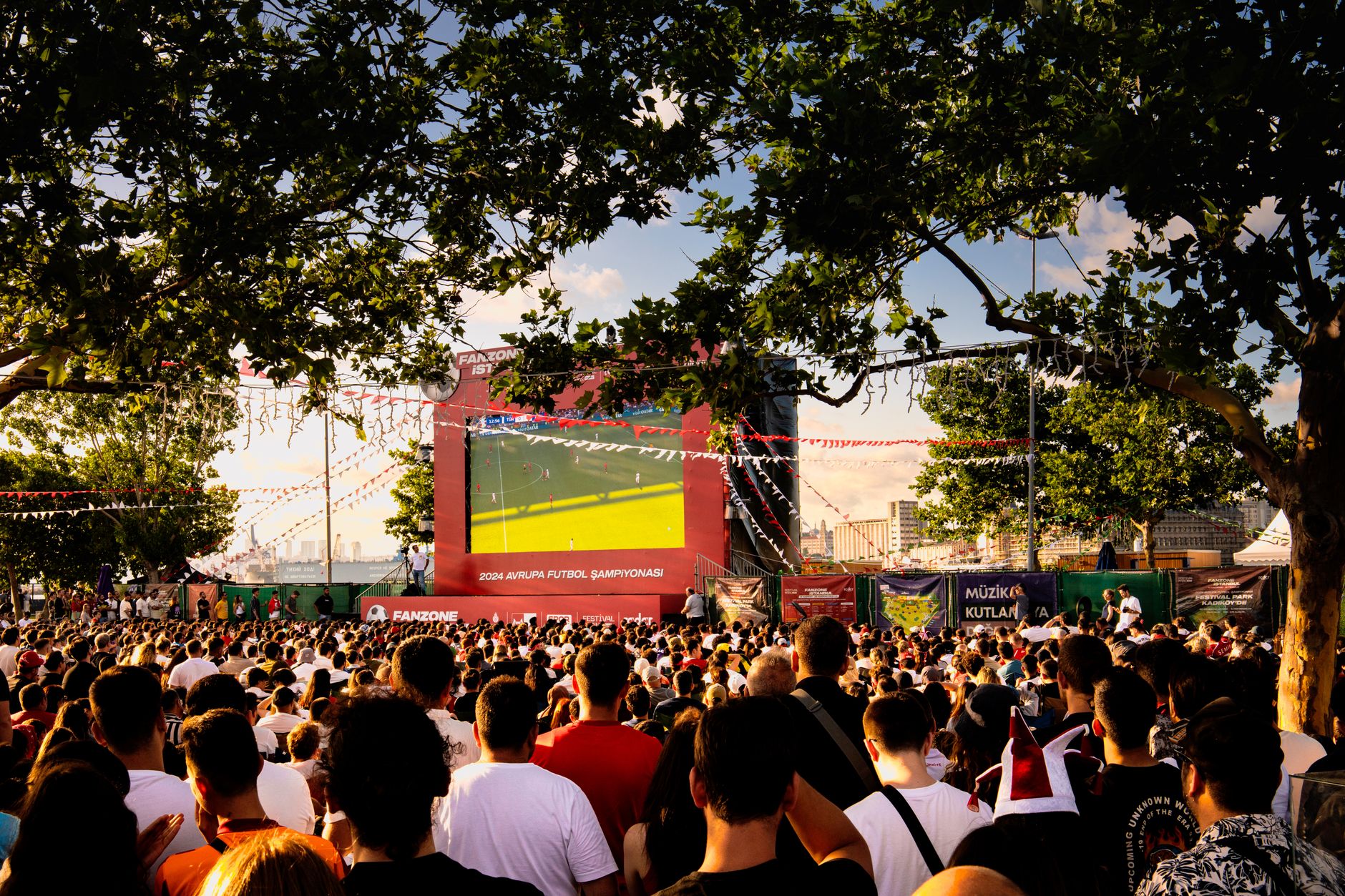
Photo by Şemsi Belli on Pexels
Frequently Asked Questions
Q: What is the 2026 football world cup?
A: The 2026 football world cup is the next men’s FIFA World Cup, hosted by the United States, Canada, and Mexico. It will feature 48 teams and 104 matches from June 11 to July 19, 2026. The final is scheduled for MetLife Stadium in the New York New Jersey area.
Q: How to prepare for the 2026 World Cup as a fan?
A: Start by tracking match schedules, host cities, tickets, accommodation, and transport plans. If you follow predictions or betting markets, also monitor injuries, squad rotation, and rest days. Fan Strategy can help by combining match previews, player stats, and tactical context in one place.
Q: What is different between the 2026 World Cup and Qatar 2022?
A: The biggest difference is scale: 2026 has 48 teams and 104 matches, while Qatar 2022 had 32 teams and 64 matches. Qatar was geographically compact, but 2026 spans three countries and 16 cities. That makes travel, climate, and recovery more important.
Q: Why do host cities matter for World Cup predictions?
A: Host cities matter because travel distance, kickoff conditions, stadium atmosphere, and rest time can affect performance. Los Angeles, Atlanta, and New York New Jersey each create different match environments. Serious analysis should include venue context, not just team rankings.
Q: How much does it cost to follow the 2026 World Cup?
A: Costs vary widely depending on tickets, flights, hotels, and the number of cities you visit. A single-city trip will usually be far cheaper than following a team across multiple host cities. Fans should budget early because demand around SoFi Stadium, Mercedes-Benz Stadium, and MetLife Stadium is expected to be high.
Q: What should I do if World Cup predictions seem unreliable?
A: Treat predictions as probability guides, not guarantees. If analysis ignores lineups, travel, injuries, and tactical matchups, it is incomplete. Look for sources that explain the reasoning behind each pick rather than only publishing a final score.
The 2026 football world cup will reward fans who prepare early, question simple narratives, and follow the details others miss.
Thank you for reading.
Fan Strategy · Editorial Archive