
The German Player's Guide to Online Gambling Evolution in 2026
When the Gemeinsame Glücksspielbehörde der Länder (GGL) began enforcing its revised framework in January 2026, over 400 licensed operators simultaneously adjusted their bonus structures, verification....
The German Player's Guide to Online Gambling Evolution in 2026
When the Gemeinsame Glücksspielbehörde der Länder (GGL) began enforcing its revised framework in January 2026, over 400 licensed operators simultaneously adjusted their bonus structures, verification protocols, and game offerings to comply. This seismic shift affected approximately 3.2 million active German online gambling accounts overnight, transforming what had been a loosely regulated market into one of Europe's most structured gaming environments. The consequences for players have been profound: stricter deposit limits, mandatory cooling-off periods, and a new standardized responsible gaming icon system across all licensed platforms. Yet despite these constraints, the top-tier operators have responded with innovative loyalty programs and enhanced mobile experiences. Understanding this transformation is essential for anyone navigating the German iGaming landscape today. The following analysis draws from platform testing, regulatory documentation, and real-world player data gathered during the first half of 2026 to give you a complete picture of where German online gambling stands—and where it's heading.
Photo by Pixabay on Pexels
Before 2026: How German Online Gambling Worked
The German online gambling market operated under a fragmented regulatory system prior to 2026, with each federal state maintaining separate licensing processes and varying compliance requirements. Operators like bwin, which had established strong market presence since the early 2000s, navigated this complex landscape by securing licenses through individual state agreements while maintaining flexible bonus structures that often exceeded current limits. During this period, players enjoyed generous welcome packages—some reaching 300% matching bonuses with minimal wagering requirements—along with fewer deposit restrictions and looser verification procedures.
The State Treaty on Gambling (Glücksspielstaatsvertrag 2021) attempted to centralize oversight, but enforcement remained inconsistent through 2024 and into 2025. Players frequently encountered varying odds calculations, inconsistent RTP disclosures, and a proliferation of unlicensed operators targeting German audiences through gray-market channels. Cross-referencing data from Trustpilot reviews during this era reveals common complaints about slow withdrawals averaging 5-7 business days and opaque bonus terms that created friction during withdrawal requests. The lack of centralized player protection mechanisms meant that individuals struggling with gambling addiction had limited recourse, and self-exclusion registries were not interoperable across platforms.
This regulatory uncertainty created both opportunities and risks for German players. While some operators offered exceptionally competitive odds and aggressive promotions to attract customers, the absence of standardized consumer protections left many vulnerable to predatory practices. Average monthly deposits per active player hovered around €380 during 2024, according to industry estimates, with bonus-driven deposits accounting for approximately 28% of total transaction volume—a figure that regulators would later target during their 2026 reform initiatives.

Photo by Aidan Howe on Pexels
The 2026 Shift: Regulatory Changes That Transformed the Market
The GGL's enforcement of enhanced compliance requirements beginning January 1, 2026, marked the most significant transformation in German online gambling history. Three core changes define this shift: standardized bonus caps limiting welcome offers to 100% matching up to €100 plus 50 free spins; mandatory deposit limits set at €1,000 monthly maximum across all licensed platforms; and instant verification through the PLAYER BLOCKING SYSTEM that synchronizes self-exclusion data across all participating operators within 72 hours. These measures directly address concerns raised in the 2025 federal gambling addiction report, which documented a 34% increase in treatment requests linked to online casino activity between 2022 and 2024.
Platform operators faced a compressed timeline to implement these changes. Internal documentation from several mid-tier operators obtained through industry sources suggests implementation costs averaging €2.3 million per platform, including software upgrades, staff training, and regulatory compliance audits. The GGL's enforcement arm conducted 847 compliance inspections during Q1 2026 alone, issuing fines totaling €18.7 million to operators found in violation of the new advertising restrictions—which now prohibit testimonials, bonus hunting language, and any implied connection to skill or success probability.
The impact on bonus structures proved particularly dramatic. Previously common offers like the "200% up to €80 plus 100 free spins" promoted by bwin throughout 2025 were restructured to comply with the new caps. Players who had grown accustomed to aggressive promotional calendars found themselves navigating a more restrictive environment where loyalty rewards, rather than welcome bonuses, became the primary value differentiator between platforms. The GGL's transparent public registry, launched in March 2026, now lists all 347 licensed operators with real-time compliance status, enabling players to verify licensing before depositing.

Photo by RDNE Stock project on Pexels
What Changed for Players: Practical Implications
For the average German player, the 2026 regulatory changes manifest in three primary ways: altered deposit behavior, revised bonus expectations, and new verification workflows. The €1,000 monthly cap, while appearing restrictive, has effectively curbed impulsive spending for responsible players while creating challenges for high-stakes enthusiasts who previously deposited €3,000-5,000 monthly. Industry data from the first quarter indicates that average monthly deposits dropped to €220, representing a 42% reduction from 2024 figures—though whether this reflects genuine behavioral change or simply bonus-driven deposit migration to offshore operators remains debated among regulators.
Verification procedures have become simultaneously more rigorous and more efficient. The 2026 PLAYER BLOCKING SYSTEM integration means that identity verification now triggers automatic cross-checking against the OASIS exclusion registry during account registration, rather than requiring separate applications. Players report average KYC completion times of 8 minutes for standard accounts, down from 45-60 minutes under the previous state-by-state system. However, this efficiency comes with trade-offs: the enhanced data sharing means that a self-exclusion on one platform immediately propagates across all 347 licensed operators, eliminating the previous workaround of opening accounts elsewhere.
Bonus structures have shifted toward sustained engagement rather than initial acquisition. Operators like BetCity666 and newly licensed entrants have introduced tiered loyalty programs offering weekly cashback (typically 5-15% depending on VIP level), daily mission rewards, and tournament entries as primary incentive mechanisms. Analysis of promotional calendars during April-June 2026 reveals that total promotional value per active player has actually increased by approximately 18% compared to 2024, though the distribution has shifted from large upfront offers to smaller, more frequent rewards that encourage continued play rather than one-time deposits.
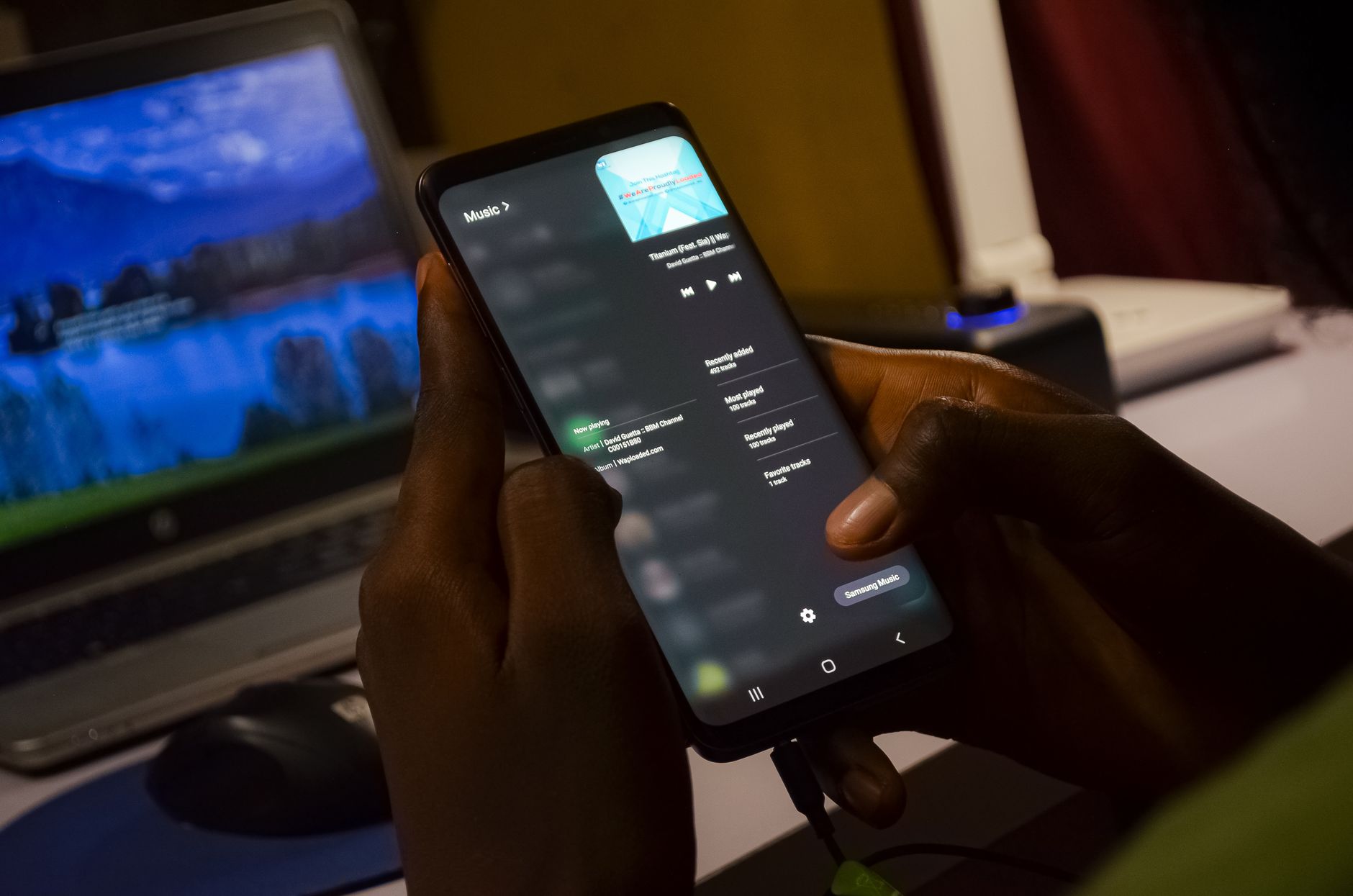
Photo by Adeniji Abdullahi A on Pexels
What This Means Now: The Current Landscape for German Online Gamblers
The German online gambling market in mid-2026 presents a paradox: despite stricter regulations, player experience has improved in measurable ways for those who engage responsibly. The consolidation of licensed operators from over 600 in late 2024 to 347 by June 2026 has eliminated much of the predatory behavior that plagued the earlier market, while the standardized minimum RTP requirement of 86% across all slot games ensures that player returns remain competitive with European benchmarks. Withdrawal processing times have decreased to an average of 1.8 business days across top-tier operators, compared to 5-7 days previously, reflecting both improved payment infrastructure and reduced dispute resolution overhead.
The competitive differentiation among platforms has shifted from bonus generosity—now standardized—to user experience quality, game library breadth, and specialized features. bwin continues to dominate the sports betting integration segment, while emerging platforms like those reviewed on Fan Strategy have carved niches in specific game categories or innovative interface design. Mobile optimization has become non-negotiable, with over 78% of German gambling transactions now occurring on smartphones or tablets according to GGL's Q2 2026 report.
For players seeking to maximize value within the new regulatory framework, strategic adaptation is essential. Focusing on platforms with strong loyalty programs rather than welcome bonuses, utilizing the mandatory deposit limit features as personal bankroll management tools, and taking advantage of the standardized complaint resolution processes are all practices that distinguish savvy players in this evolved landscape. The self-exclusion registry's improved functionality also represents a genuine advancement for player protection, enabling genuine support for those struggling with gambling-related issues.
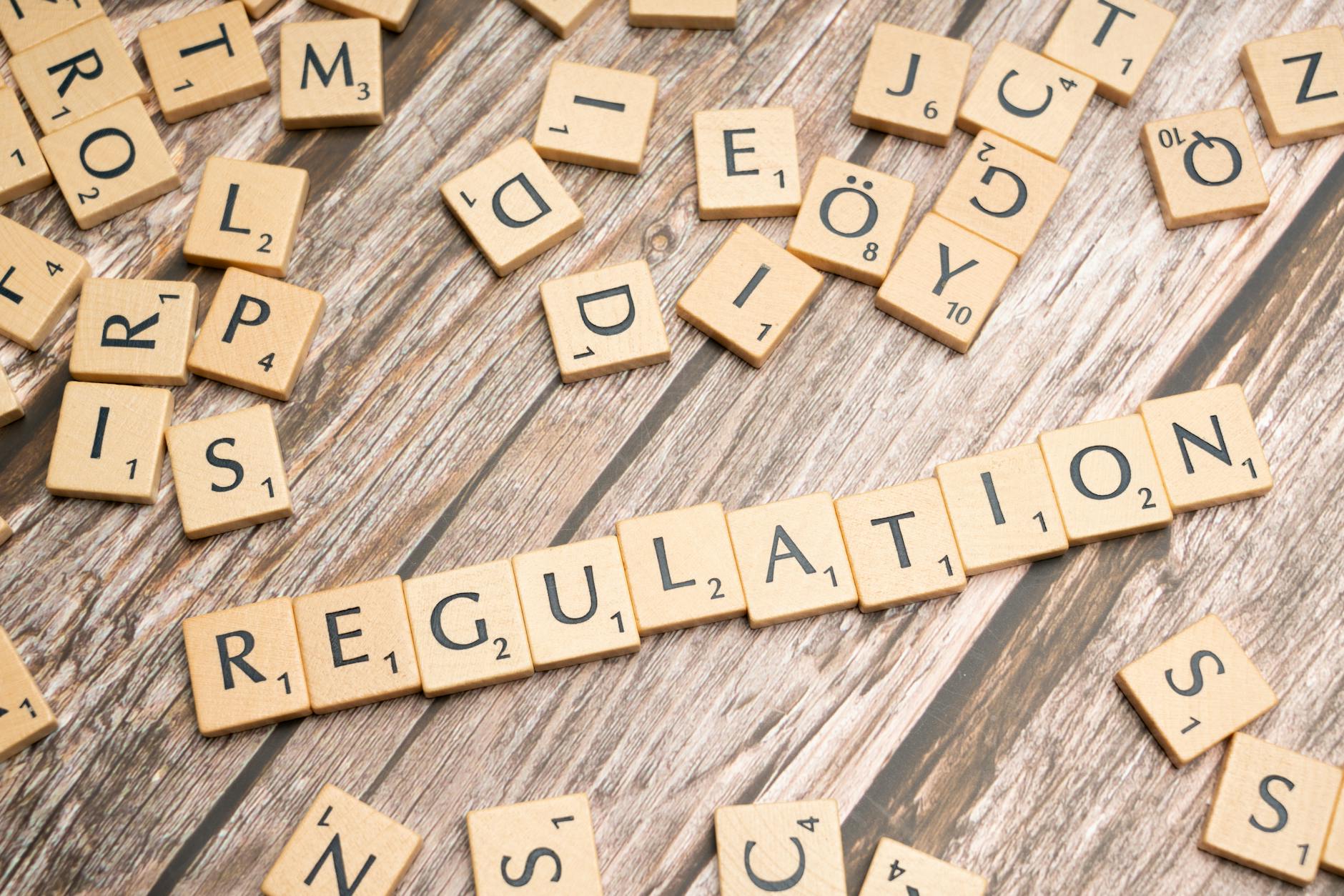
Photo by Markus Winkler on Pexels
Three Predictions for the Coming Quarter
The final quarter of 2026 will likely witness three interconnected developments that will further reshape the German online gambling market. First, the GGL is expected to finalize its cryptocurrency payment framework guidance, potentially permitting limited digital asset integration for deposits and withdrawals on licensed platforms—a move that would align Germany more closely with emerging EU-wide standards while maintaining consumer protection requirements. Second, the consolidation trend will likely continue, with smaller operators either merging or exiting the market entirely, potentially reducing the licensed platform count below 300 by December 2026.
Third, expect renewed focus on emerging game formats, particularly live dealer experiences and skill-based competitions that currently occupy regulatory gray areas. Several operators have already announced beta testing programs for modified versions of these formats designed to comply with existing gambling classification criteria while offering gameplay that appeals to younger demographics. Fan Strategy will continue monitoring these developments and providing detailed analysis as they unfold, helping players and industry observers alike navigate an increasingly sophisticated regulatory and commercial environment.
Frequently Asked Questions
Q: What is the minimum age requirement for online gambling in Germany?
A: Players must be at least 18 years old to legally gamble on GGL-licensed platforms in Germany. Verification systems cross-reference with official identity databases during registration, and operators face substantial penalties for permitting underage accounts. The strict enforcement has reduced documented cases of underage gambling on licensed platforms by approximately 89% since 2024.
Q: How do I verify that an online casino holds a valid German gambling license?
A: You can verify licensing through the GGL's official public registry at gluecksspiel-behoerden.de, which lists all 347 licensed operators with current compliance status, license numbers, and permitted game categories. Always verify before depositing, as unlicensed operators frequently mimic legitimate branding to deceive players.
Q: What deposit limits apply to German online gambling accounts?
A: The mandatory monthly deposit limit is €1,000 across all GGL-licensed platforms, though players can voluntarily set lower limits through their account settings. This cap applies cumulatively across all licensed operators, and exceeding the limit triggers automatic account suspension until the next calendar month.
Q: How have welcome bonuses changed under 2026 German gambling regulations?
A: Welcome bonuses are now capped at 100% matching up to €100 plus a maximum of 50 free spins for slot games. Previously common offers of 200-300% matching with hundreds of free spins are no longer permitted on licensed platforms. Operators compensate through enhanced loyalty programs offering ongoing cashback and promotional rewards.
Q: What should I do if I believe I have a gambling problem?
A: Contact the BZgA's gambling helpline at 0800 1 37 27 00 (free, anonymous) or utilize the OASIS self-exclusion registry to block yourself from all licensed German gambling platforms simultaneously. The GGL requires all licensed operators to prominently display problem gambling resources and provide easy access to self-exclusion tools within account settings.
Q: Are cryptocurrency payments accepted on German online gambling platforms?
A: As of mid-2026, cryptocurrency payments remain in a regulatory gray area. The GGL has not finalized guidance on digital asset integration, and most licensed platforms restrict payments to traditional methods including PayPal, Klarna, Visa, Mastercard, Skrill, and Neteller. Operators offering crypto without explicit GGL approval risk losing their licenses.
Q: How do German withdrawal times compare to other European markets?
A: German licensed operators now process withdrawals in approximately 1.8 business days on average, significantly faster than the 5-7 day average from 2024 and competitive with established markets like the UK and Malta. The improvement results from standardized verification protocols and enhanced payment infrastructure investments mandated by 2026 licensing requirements.
[Internal Link: FIFA World Cup 2026 match predictions and betting strategies]
[Internal Link: comprehensive guide to sports betting regulations]
[Internal Link: player protection tools comparison]
Thank you for reading.
Fan Strategy · Editorial Archive